

Fact Sheets NIR
Fact sheets for various appliances producing non-ionising radiation (NIR).
UV Radiation
 Solariums pose significant health risks, including burns, premature skin aging, and cancer.
Since 2019, the Ordinance to the Federal Act on Protection Against Hazards Arising from Non-Ionising Radiation and Sound (O-NIRSA) has regulated their use to better protect users, particularly young people and those at higher risk. UV-C lamps intended for home use to disinfect air or surfaces can be dangerous. If used improperly, they may cause skin burns or eye injuries and create a false sense of security.The FOPH advises against their use, as their effectiveness is uncertain and often insufficient, in addition to the existing health risks.
 UV rays can cause irreversible eye damage, especially in children. Wearing appropriate, well-fitting, certified sunglasses with 100% UV protection is therefore essential in everyday life – even in the shade or on cloudy days. Protect your eyes effectively and over the long term.
Cosmetic treatments using non-ionising radiation and sound
 Cosmetic treatments using devices that emit non-ionizing radiation (NIR) or sound waves can strongly stress the skin, eyes, or other tissues, thereby exceeding health safety limits.
Laser
Lasers are versatile and fascinating – but not without danger. Whether used as a pointer, in laser tag games, at public events or material processing, risks include eye injuries and fire hazards. The fact sheets from the FOPH highlight critical safety aspects. Learn how to handle lasers safely and prevent accidents.
 Anyone organizing an event involving laser devices of classes 1M, 2M, 3R, 3B, or 4 is henceforth required to appoint a qualified person who operates the laser devices in accordance with the requirements set out in the V-NISSG and reports the event.
 A laser pointer is a laser device that allows a person to manually project dots, lines, or other shaped optical patterns.
 Laser systems used for material processing pose a significant hazard to users and third parties if used improperly. Hand-held devices are particularly dangerous, as their laser radiation is not enclosed and can propagate freely.
Electromagnetic fields (EMF)
The lower frequency range of the electromagnetic spectrum ( 0 – 300 GHz) is referred to as electromagnetic fields (EMF).
Household
 Induction cooktops are the cornerstone of modern, energy-efficient cooking. They generate sometimes strong electromagnetic fields. This fact sheet informs you about the strength of these fields and their possible health effects. It recommends optimal use of such cooktops: keep a distance of 15 cm from the cooktop and, when cooking at the highest heat setting, use the back area of the cooktop. Of course, use suitable (and not too small) cookware.
Additional documentation
 Microwave ovens have become almost indispensable in kitchens. They emit strong microwave radiation. Although the oven is shielded to contain it, improper use can still pose risks. This fact sheet informs you how to avoid these dangers. The best advice is to carefully read and follow your device’s operating instructions.
Additional documentation
 Electric heated waterbeds are found in some of our bedrooms. They generate electric and magnetic fields. This fact sheet provides information about the strength of these fields, their possible health effects, the technology involved, and the legal situation. It also offers tips on how to reduce exposure. The best and most comfortable way is to heat the bed before use. Warning: infants should not sleep in soft waterbed.
Medicine / Wellness
 Magnetic field mats generate magnetic fields that are promoted for therapy and wellness purposes. However, their benefits are controversial, and their magnetic fields sometimes significantly exceed safety limits. The safest approach is to avoid using these devices. This fact sheet presents the current state of knowledge and recommends that those who choose to use them do so under the guidance of a medical professional.
Additional documentation
Telecommunication
 Fitness trackers and smartwatches offer a wide range of everyday apps. They connect to the internet either directly via electromagnetic fields or through a paired mobile phone. Since they are worn directly on the body, considerable exposure can occur. This fact sheet provides information on the strength of these fields, their possible health effects, and offers tips on how to reduce exposure. The best practice is to always use such devices in conjunction with your mobile phone.
 Our faithful daily companion works only thanks to electromagnetic fields. Depending on the model, a greater or lesser part of these fields unfortunately does not reach the nearest mobile phone antenna but instead penetrates our body. This fact sheet informs you about the magnitude of this exposure and its possible health effects. It also provides tips on how to make calls with reduced radiation exposure. The best and most convenient way is using a headset, whether wired or Bluetooth. And avoid talking on the phone while driving!
 DECT phones work similarly to mobile phones. However, they emit less electromagnetic radiation, as the DECT base station is located indoors. The fact sheet provides information on the strength of these fields and their potential health effects. It also offers tips on how to reduce exposure to these fields. A distance of 50 cm from the DECT base station is sufficient. And if possible, switch the device to ECO mode — this way, it does not emit radiation when not in use.
Additional documentation
 With Wi-Fi, you can connect to the internet using relatively low radiation. This fact sheet provides information about this radiation. The tips are especially intended for people who want to further reduce an already low exposure.
Additional documentation
 According to current knowledge, the high-frequency radiation from Bluetooth devices is below the limit values. Bluetooth devices should not have any short-term effects, but their long-term effects on health cannot be assessed.
Additional documentation
 A baby monitor gives parents the occasional ‘free’ hour. It transmits sounds from the nursery using electromagnetic fields. This fact sheet provides information on the strength of these fields and their potential health effects. It also offers tips on how to reduce exposure to these fields — the best way is to keep a distance. A distance of 50 cm from the crib is already sufficient.
Additional documentation
Transportation
 Due to their drive systems and batteries, electric and hybrid cars generate considerable electric and magnetic fields. But be aware: conventional petrol- or diesel-powered cars also generate significant magnetic fields in ways that are not immediately obvious. This fact sheet informs you how these fields are generated, how strong they are, and how and where they can be eliminated
Additional documentation
Toys
 More and more everyday objects contain super-strong permanent magnets that work without electricity. Potential health effects are mostly unexplored. Such magnets can pose a danger to people with electronic implants. The most important rule: magnets not built into products or not marketed as toys must never be placed in children’s hands due to the risk of injury.
Heating systems
 Electric floor heating systems can produce very small or, in some cases, considerable magnetic fields — depending on how they are installed in the floor. Unfortunately, it is usually unclear how the heating coils were laid by the installation companies during construction. The fact sheet provides information on the different installation methods and the magnitude of the magnetic fields. It also offers tips on how to reduce exposure to these fields. The best approach is to operate the heating before your children or you enter the heated rooms.
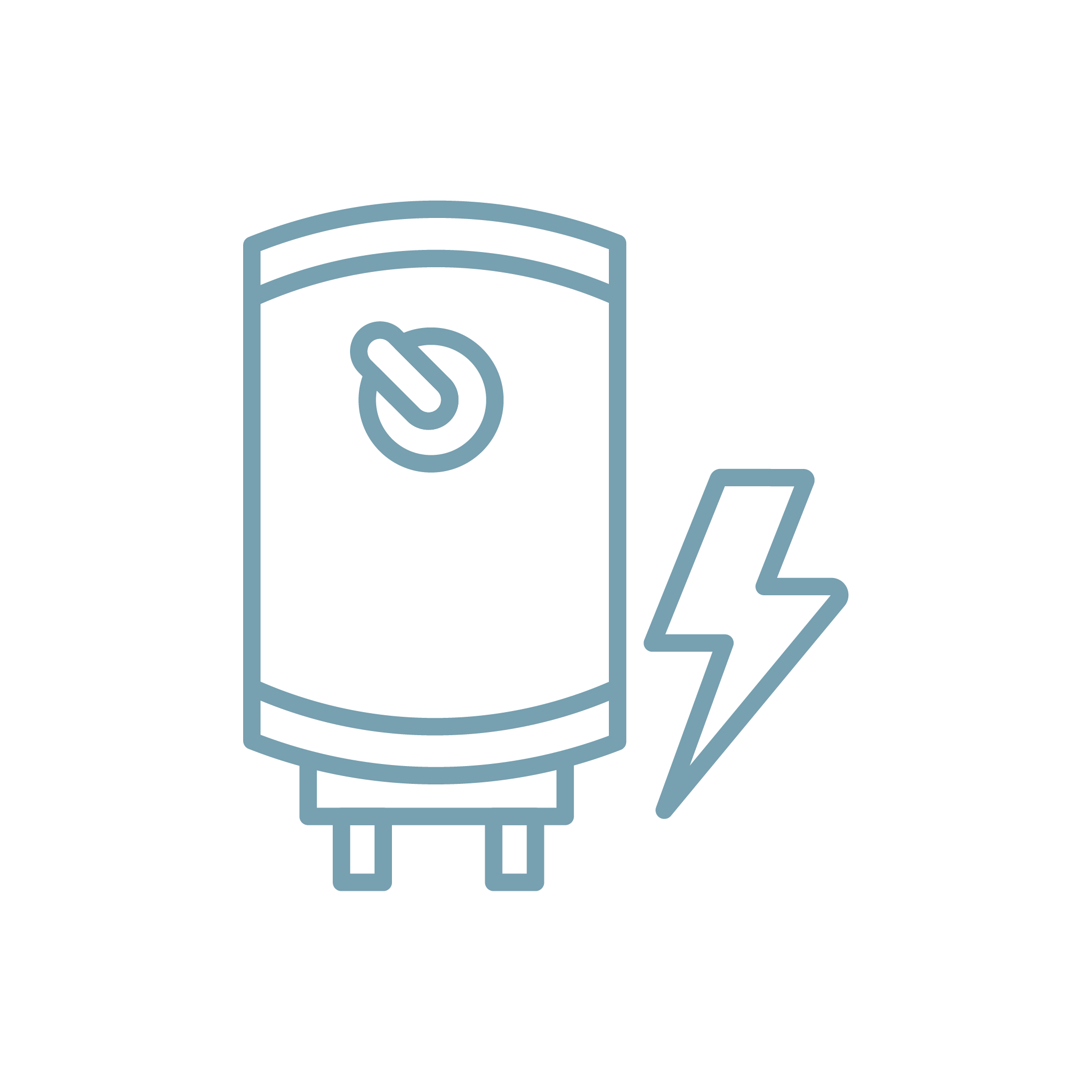 Electric water heaters generate electric and magnetic fields. This fact sheet informs you about the magnitude of these fields and their possible health effects. It offers tips on how to reduce exposure—maintaining a distance of 50 cm is usually sufficient. Please heat the water once daily to over 60°C to kill harmful Legionella bacteria.
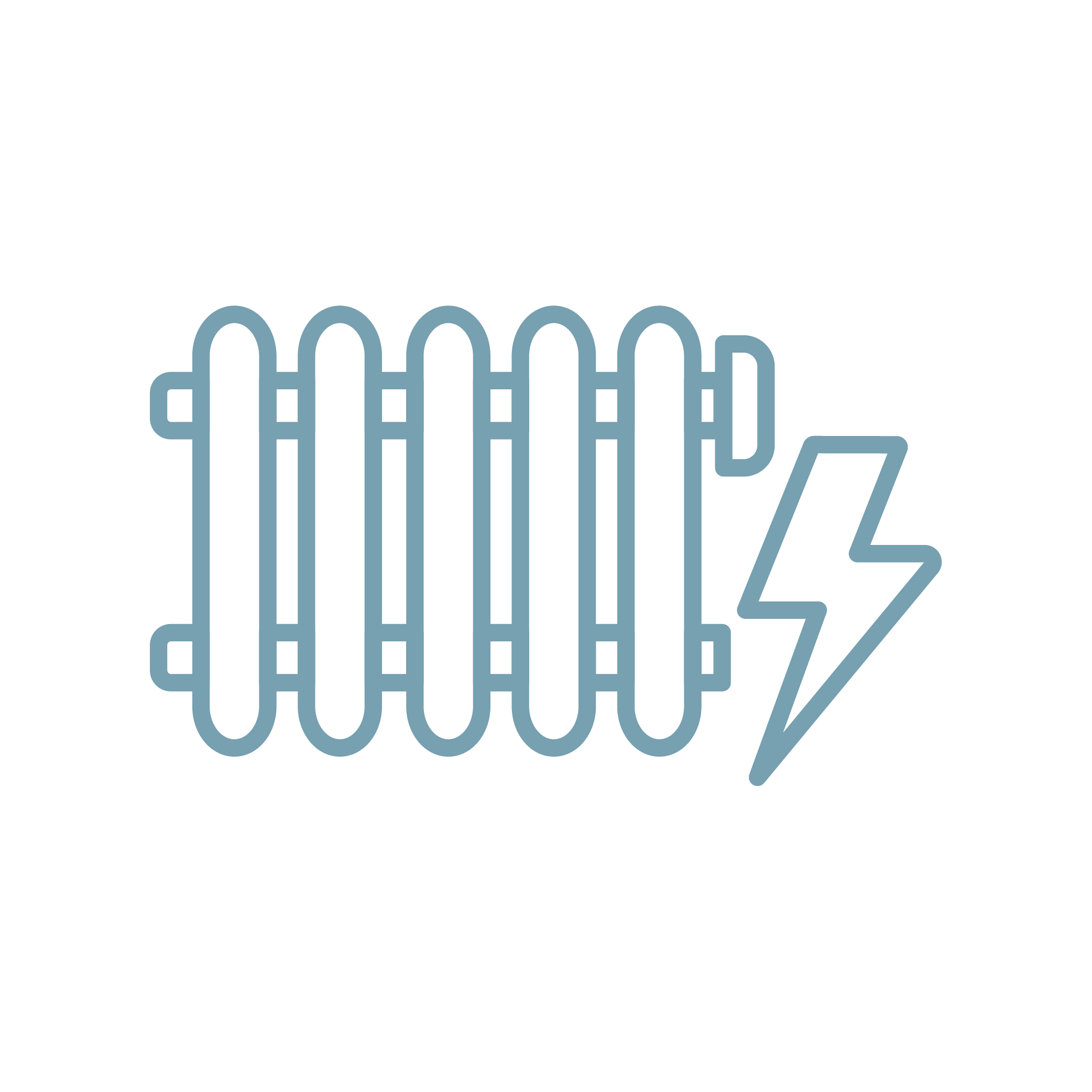 Electric radiators are switched on when it gets really cold outside. They generate electric and magnetic fields. This fact sheet informs you about the strength of these fields and their possible health effects. It also offers tips on how to reduce your exposure, mainly by keeping a safe distance. Even in cold weather, maintaining at least 30 cm of distance is recommended.
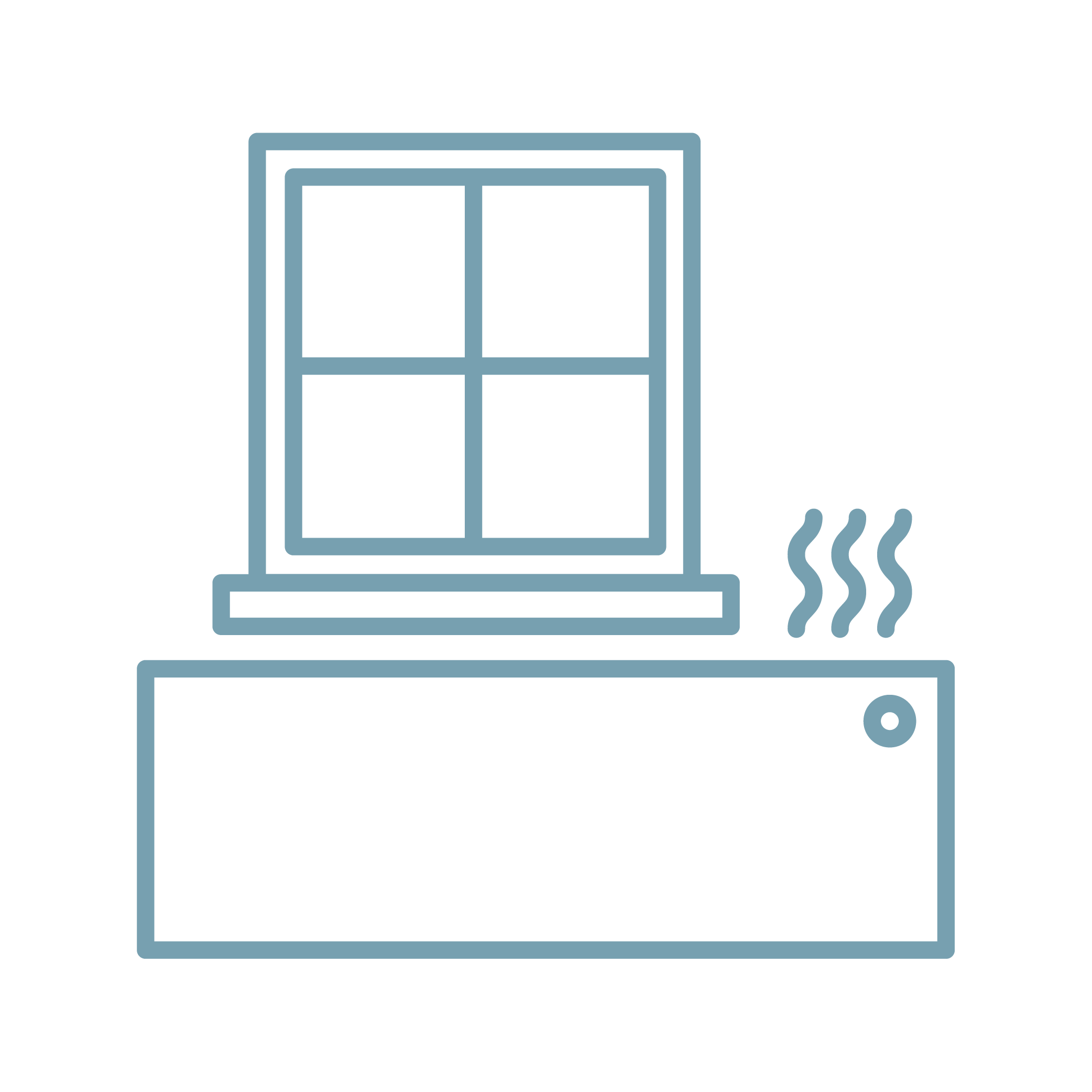 Individual heat storage units are still found in Switzerland, even though they are not energy-efficient and are partially listed as prohibited. They generate electric and magnetic fields. The fact sheet provides information on the strength of these fields and their potential health effects. It also offers tips on how to reduce exposure to these fields — ideally by maintaining a distance of at least 80 cm
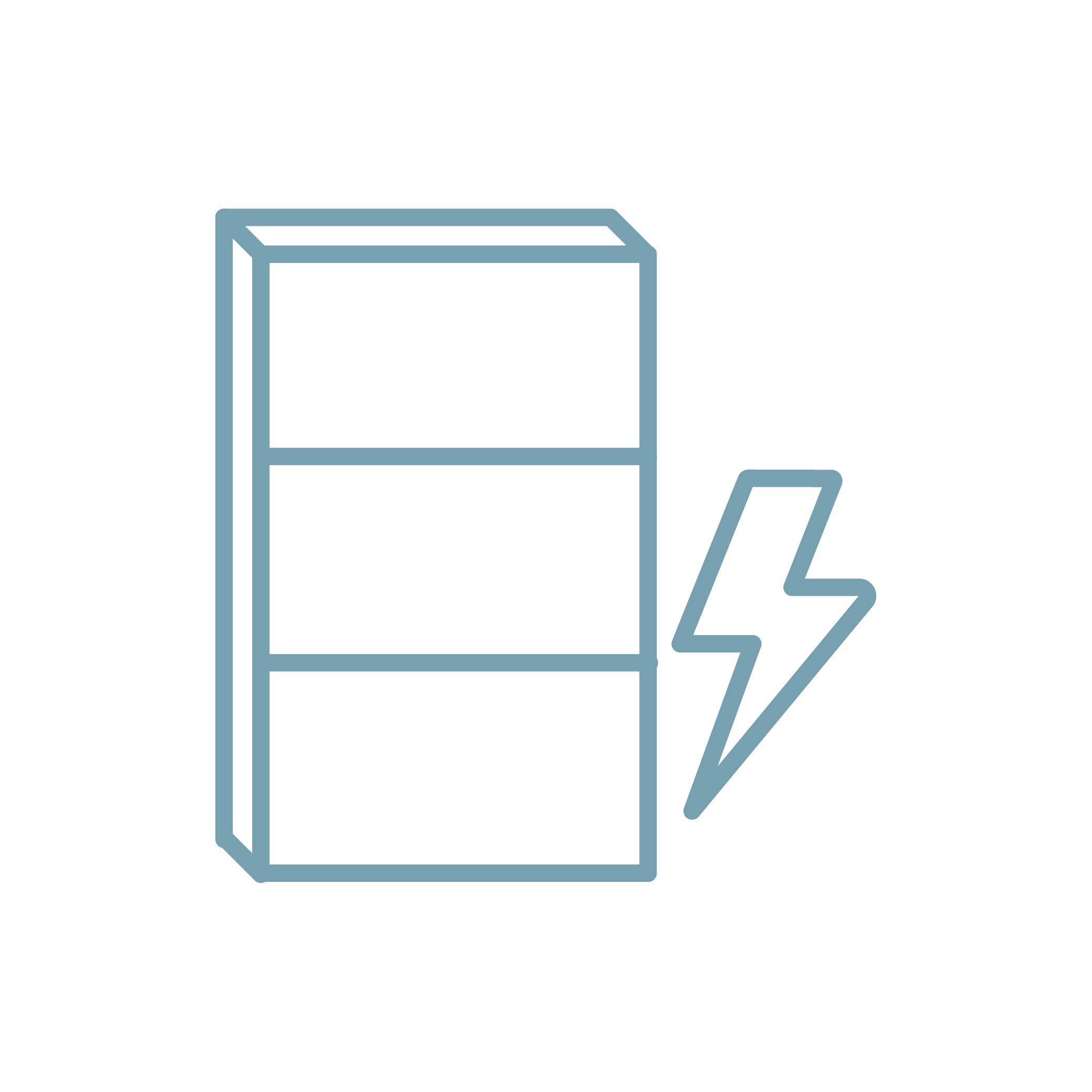 Electric central storage heaters are still found in Switzerland, although they are not energy-efficient and are partly listed for prohibition. They generate electric and magnetic fields. This fact sheet provides information about the strength of these fields and their possible health effects. It also offers tips on how to reduce exposure: the best and easiest way is to keep a distance of at least one meter.
Federal Office of Public Health FOPH
Radiological Protection Division
Non-ionising Radiation and Dosimetry Section
Schwarzenburgstrasse 157
Switzerland - 3003 Bern
Non-ionising Radiation and Dosimetry Section
Schwarzenburgstrasse 157
Switzerland - 3003 Bern